
-
-
-
Technical Support
battery separator silica
Publish Time:
Oct 15,2025
Battery separators are essential components in modern energy storage systems, serving as a crucial barrier between the anode and cathode within a battery. These separators prevent short circuits, ensure ionic conductivity, and maintain the integrity of the battery. One material that has gained significant attention in recent years is silica, particularly when used in the production of battery separators. Silica-enhanced separators offer superior performance, longevity, and safety, making them ideal for advanced battery technologies.
Silica, a compound made of silicon and oxygen, has unique properties that make it highly effective in battery applications. It is known for its high surface area, thermal stability, and ability to improve the overall performance of separators. When incorporated into battery separator materials, silica helps in improving electrolyte retention, reducing internal resistance, and enhancing the mechanical strength of the separator. These properties directly contribute to longer battery life and better overall efficiency.
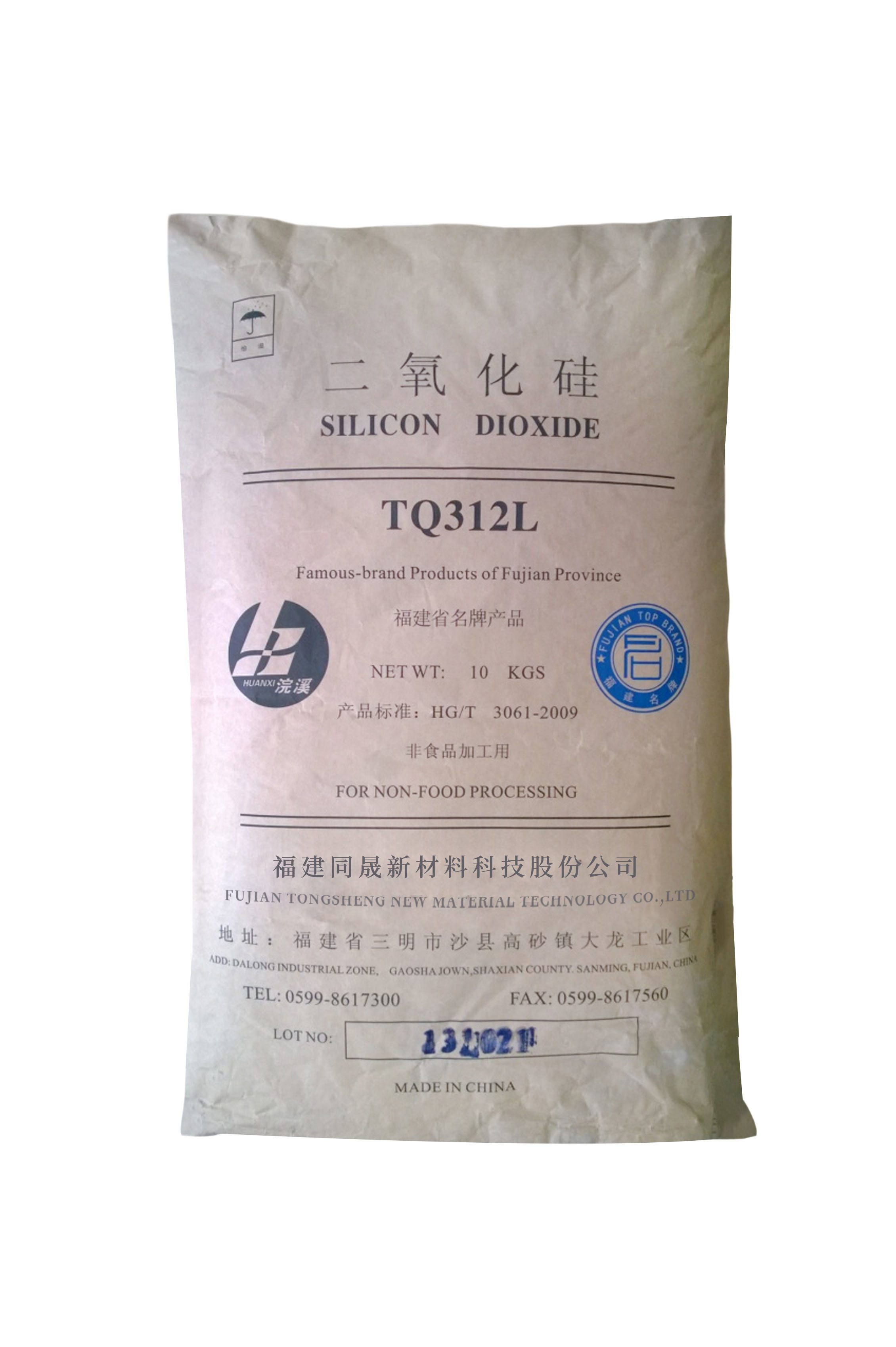
One of the primary benefits of using silica in battery separators is its ability to enhance ionic conductivity. By improving the separator's ability to transport ions between the anode and cathode, silica ensures that the battery operates more efficiently. This leads to faster charge and discharge cycles, higher energy density, and improved overall battery performance. As the demand for high-performance batteries increases, particularly in electric vehicles and renewable energy storage, silica-based separators offer a competitive edge in meeting these requirements.
Another important advantage of silica-enhanced separators is their ability to improve the thermal stability of the battery. Silica’s natural thermal conductivity properties help dissipate heat more effectively, reducing the risk of overheating and ensuring the battery operates safely under high temperatures. This is particularly crucial in high-power applications, such as electric vehicles and large-scale energy storage systems, where maintaining optimal temperature control is vital for safety and performance.
Furthermore, the use of silica in battery separators helps to prevent dendrite growth. Dendrites, which are microscopic structures that can form on the battery electrodes, pose a significant risk to battery performance and safety. The incorporation of silica into the separator material helps to mitigate the formation of these dendrites, thereby reducing the chances of internal short circuits and improving the overall safety of the battery.
Previous:
Next:
Get a quote
* Note: Please fill in the information accurately and keep communication unblocked. We will contact you as soon as possible.
Contact Information
Add: No.10 Dong Feng Second Road Xiasha Village, Shipai Town, Dongguan, China
Mobile: +86-599-8617495
Fax: +86-599-8617560
Email: sale@tongshengsilica.com


