
-
-
-
Technical Support

Technical Support
SUPPORT
Background
With the rapid development of the silica chemical industry, the market demand for high-quality silica products is constantly increasing. To meet market demand and enhance the company's competitiveness, the company established a technology center focusing on the research and development, production, and technological innovation of silica products.
Functions
The main tasks of the technology center include researching and developing new silica products, improving the quality and performance of existing products; optimizing production processes, reducing production costs; formulating and implementing quality control standards to ensure product quality stability; providing customers with technical support and solutions, etc.
Atomic Absorption Spectrophotometer TAS-990
Atomic absorption spectrophotometry is mainly used to analyze trace to ultra-trace levels of inorganic elements, and can perform qualitative and quantitative analysis. Using the thermal energy generated by the chemical flame to make the sample into atomic vapor, the hollow cathode lamp source emits characteristic radiation light of the element to be measured, and the element to be measured absorbs the characteristic radiation light after atomization. By measuring the magnitude of this absorption, the content of the element to be measured can be calculated. It is mainly used to determine the lead and copper content in finished silica.
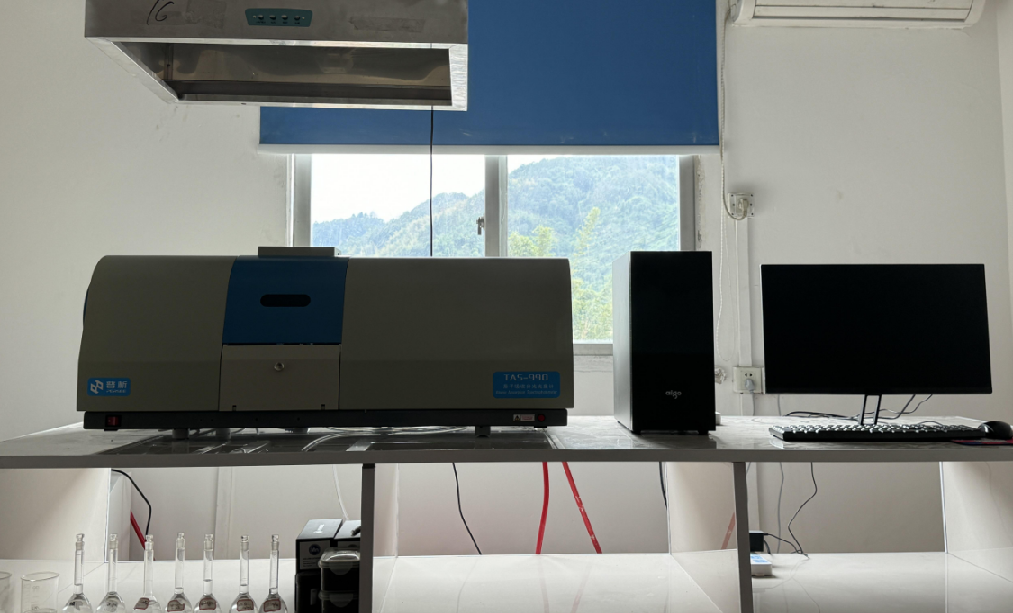
This laboratory mainly conducts the determination of specific surface area and pore volume of finished silica products.
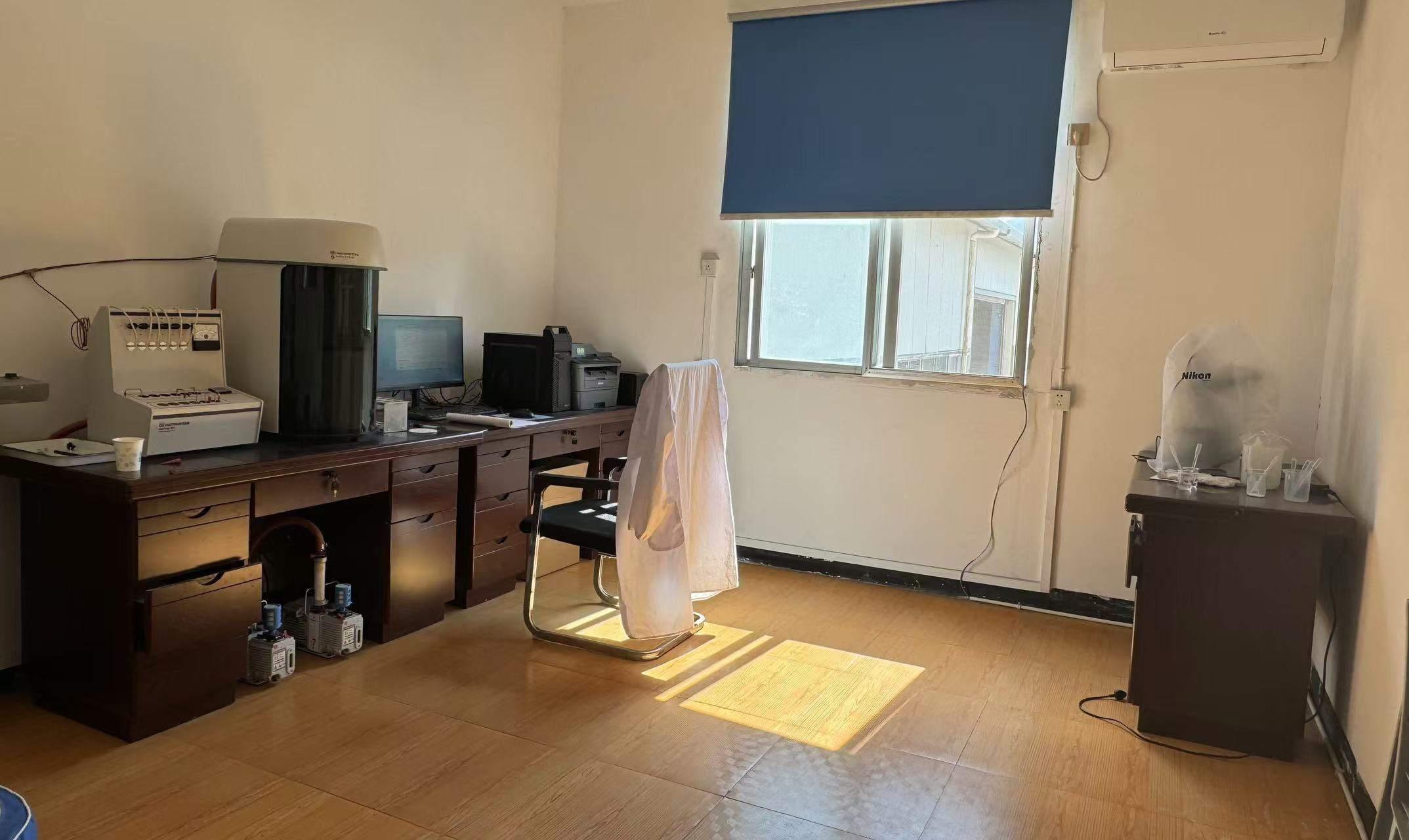
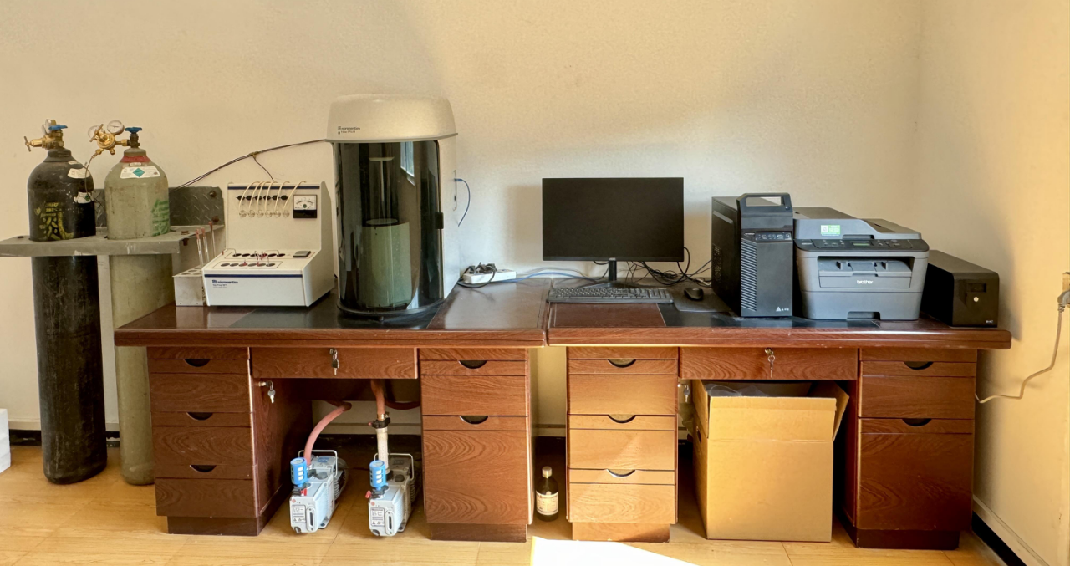
Fully Automatic Specific Surface Area and Porosity Analyzer
The fully automatic specific surface area and porosity analyzer uses the principle of low-temperature nitrogen physical adsorption (static volumetric method): At liquid nitrogen temperature, the amount of nitrogen molecules adsorbed from nitrogen gas at a certain partial pressure by carbon black is used to calculate the total surface area and external surface area. Through adsorption parameters, the nitrogen adsorption surface area (NSA) value and the statistical adsorption layer thickness surface area (STSA) value can be calculated. It is mainly used to determine the specific surface area and pore volume of finished silica.
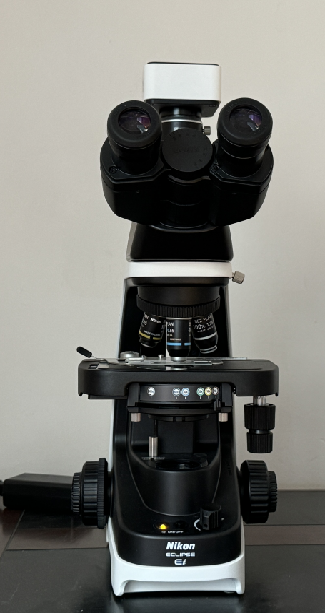
Nikon Biological Microscope
A microscope is an instrument mainly used to magnify tiny objects so that they can be seen by the human eye. An optical microscope mainly consists of an eyepiece, an objective lens, and a stage. Both the eyepiece and the objective lens are convex lenses with different focal lengths. The objective lens is equivalent to the lens of a projector, and the object forms an inverted and magnified real image through the objective lens. The eyepiece is equivalent to an ordinary magnifying glass, and this real image is again formed into an upright and magnified virtual image through the eyepiece. It is mainly used to observe the shape and size of finished silica.
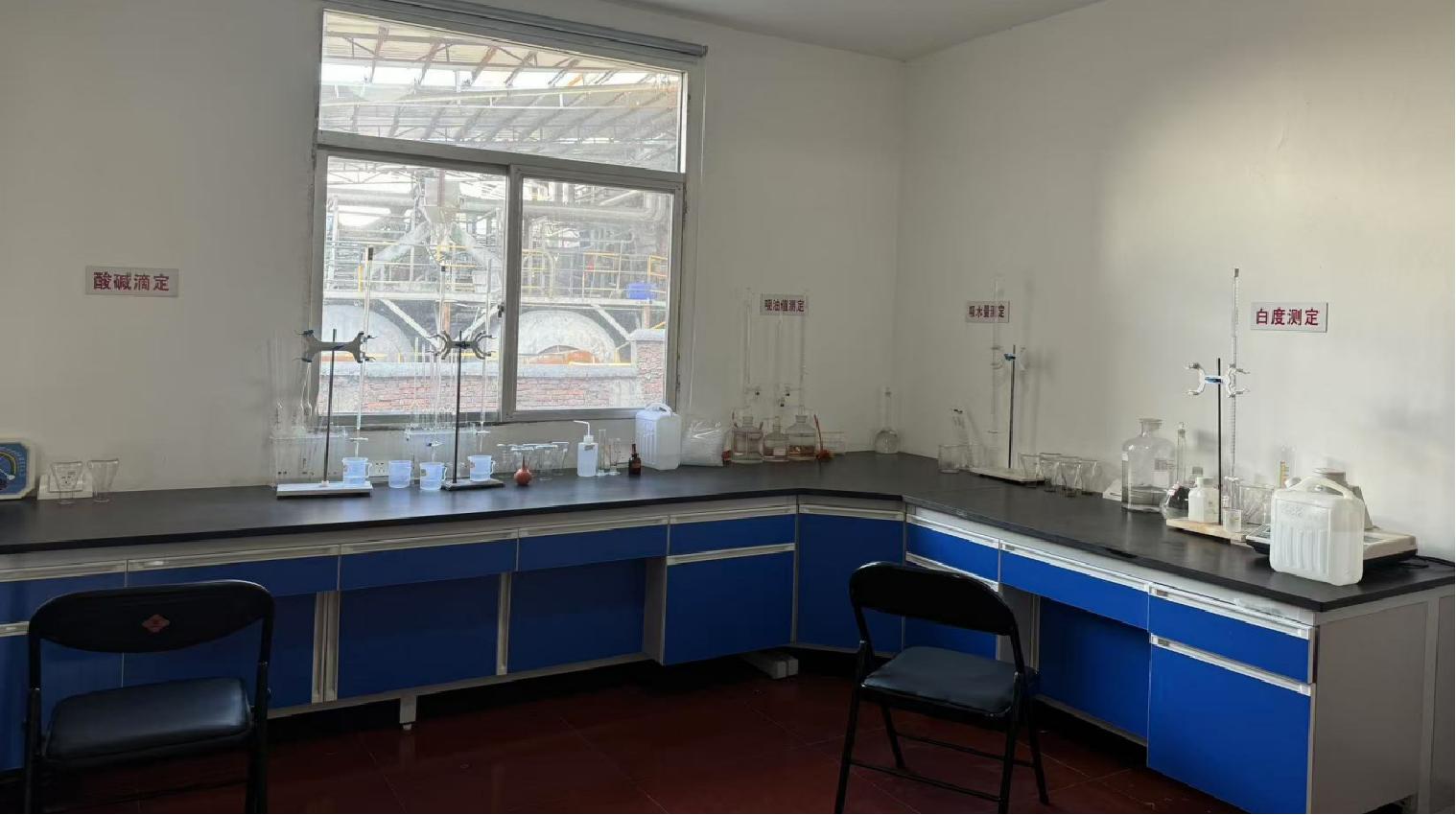
This laboratory mainly conducts the determination of the modulus and concentration of liquid sodium silicate, as well as the oil absorption value, water absorption, and whiteness of finished silica.
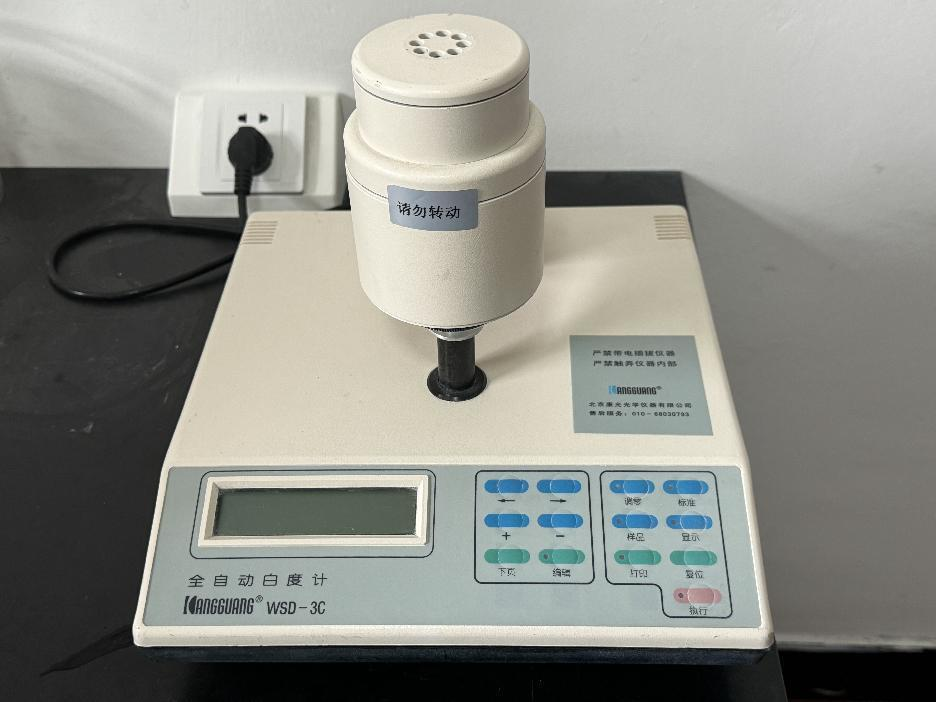
WSD-3C Fully Automatic Whiteness Meter
In color matching experiments, the amount of primary colors required to achieve color matching with the color to be measured is called tristimulus values, represented by X, Y, and Z respectively. The whiteness meter calculates whiteness based on the tristimulus values of the object color. It is mainly used to measure the whiteness of silica.
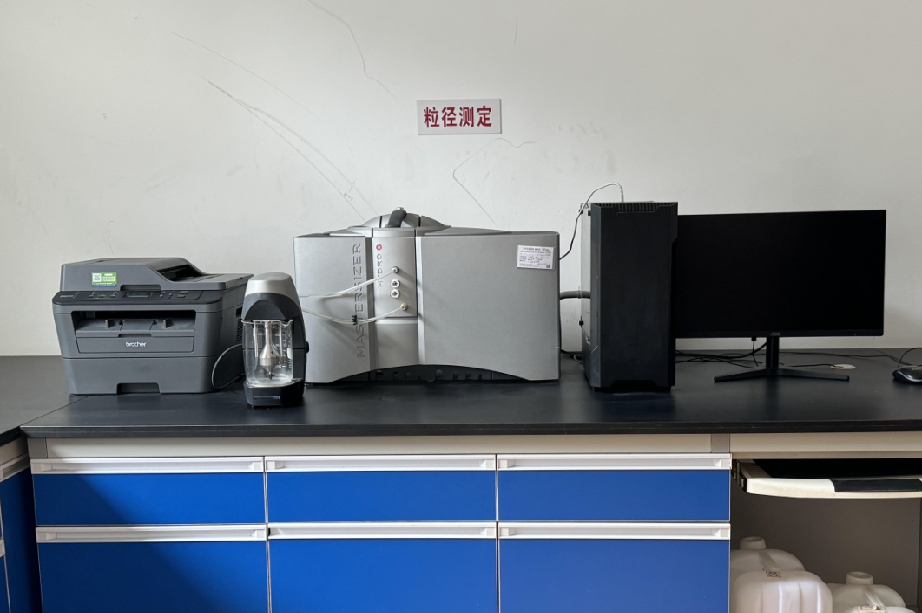
Malvern Panalytical Laser Particle Sizer
A laser particle size analyzer is an instrument that analyzes the size of particles through the spatial distribution (scattering spectrum) of the diffracted or scattered light of the particles. It uses the Furanhofer diffraction and Mie scattering theory. The testing process is not affected by many factors such as temperature changes, medium viscosity, sample density, and surface state. As long as the sample to be tested is evenly displayed in the laser beam, accurate test results can be obtained. It is mainly used for particle size measurement of finished silica.
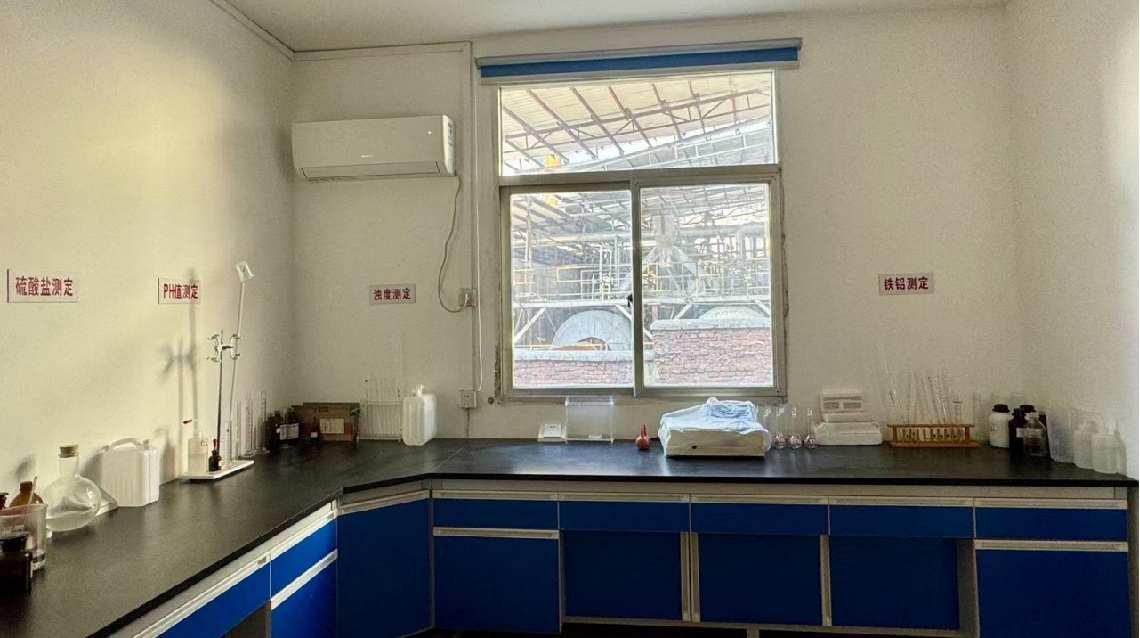
This laboratory mainly conducts the determination of sulfate, pH value, turbidity, and iron and aluminum content.
Visible Spectrophotometer
A visible spectrophotometer can perform qualitative and quantitative analysis of sample substances in the near-ultraviolet and visible spectral regions. Under the irradiation and excitation of light, the substance in the solution produces an absorption effect on the light. The absorption of light by the substance is selective, and different substances have their own absorption spectra. Therefore, when monochromatic light passes through the solution, its energy will be absorbed and weakened. The degree of weakening of light energy and the concentration of the substance have a certain proportional relationship, that is, it conforms to the principle of colorimetry. It is mainly used for the determination of iron content in liquid sodium silicate, finished silica, process water, and filter press water.
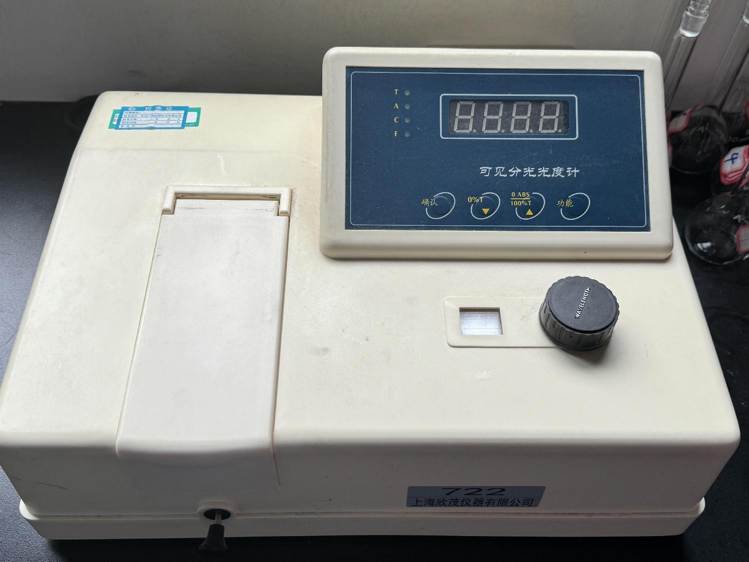
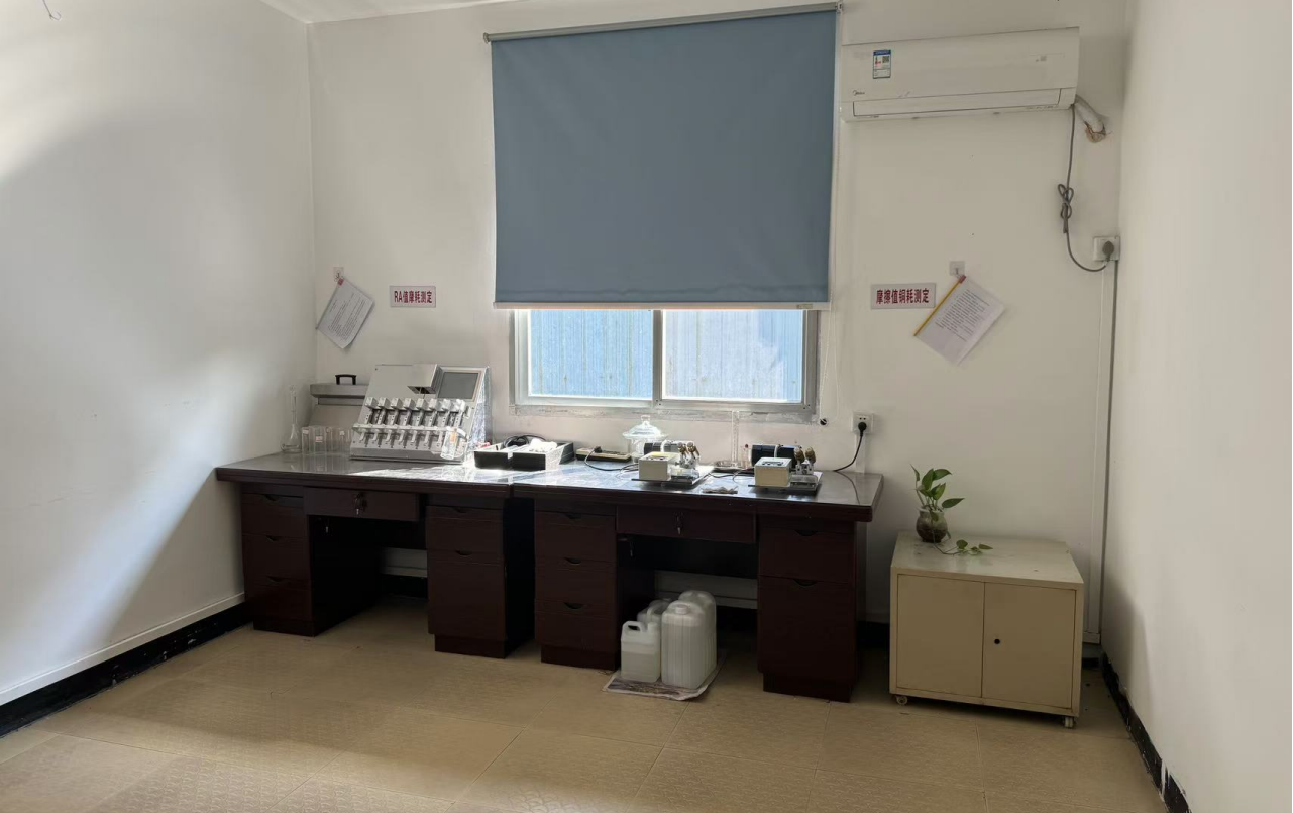
This laboratory mainly conducts the determination of RA value wear, friction value copper consumption, etc.
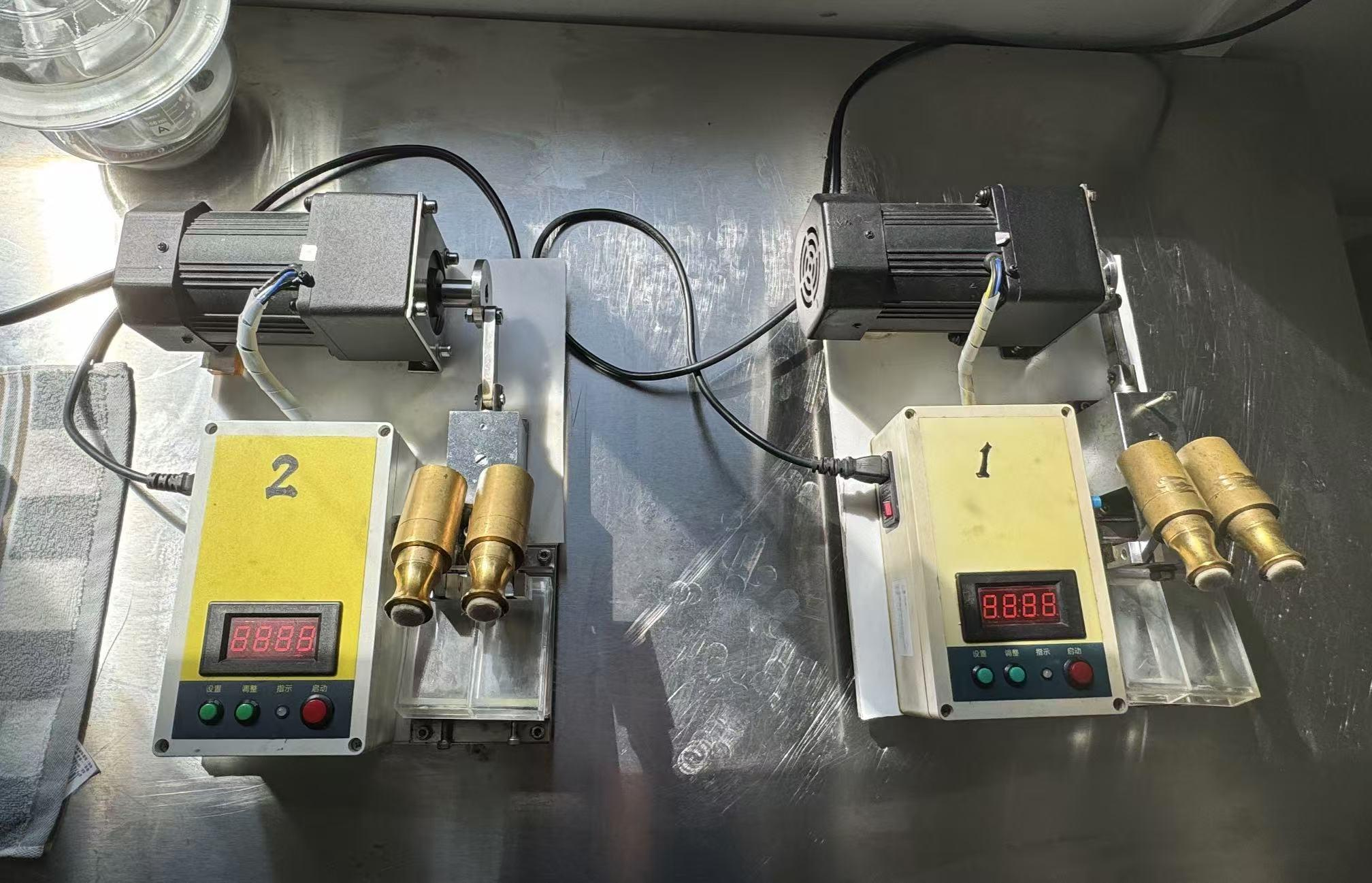
Toothpaste Hardness Meter (Copper Consumption Wear Tester)
The toothpaste hardness tester is mainly used to determine the frictional force of toothpaste. The prepared toothpaste solution or the proportionally diluted solution of silica imitation toothpaste is rubbed back and forth (1000 times) on the surface of the copper sheet with felt. The amount of wear of the copper sheet in milligrams is used to indicate the strength of the toothpaste frictional force.
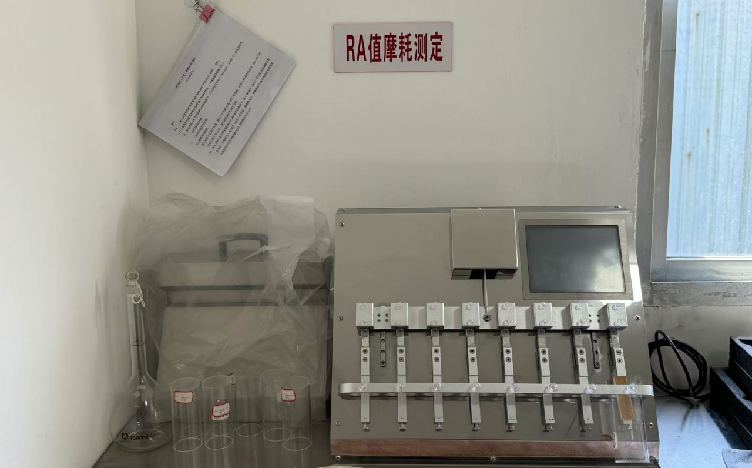
Using a brushing instrument with a fully controllable brushing load function as the brushing instrument, PMMA (polymethyl methacrylate) as a test material instead of teeth for in vitro testing, under certain brushing speed and brushing load conditions, the toothpaste sample is subjected to brushing test, and after the brushing test, the Ra value (friction value) is measured on the PMMA grinding block with a surface roughness instrument, and the average value of the friction values on the 8 PMMA grinding blocks after the brushing test is used as an evaluation of the friction and wear of the toothpaste on the PMMA grinding block.
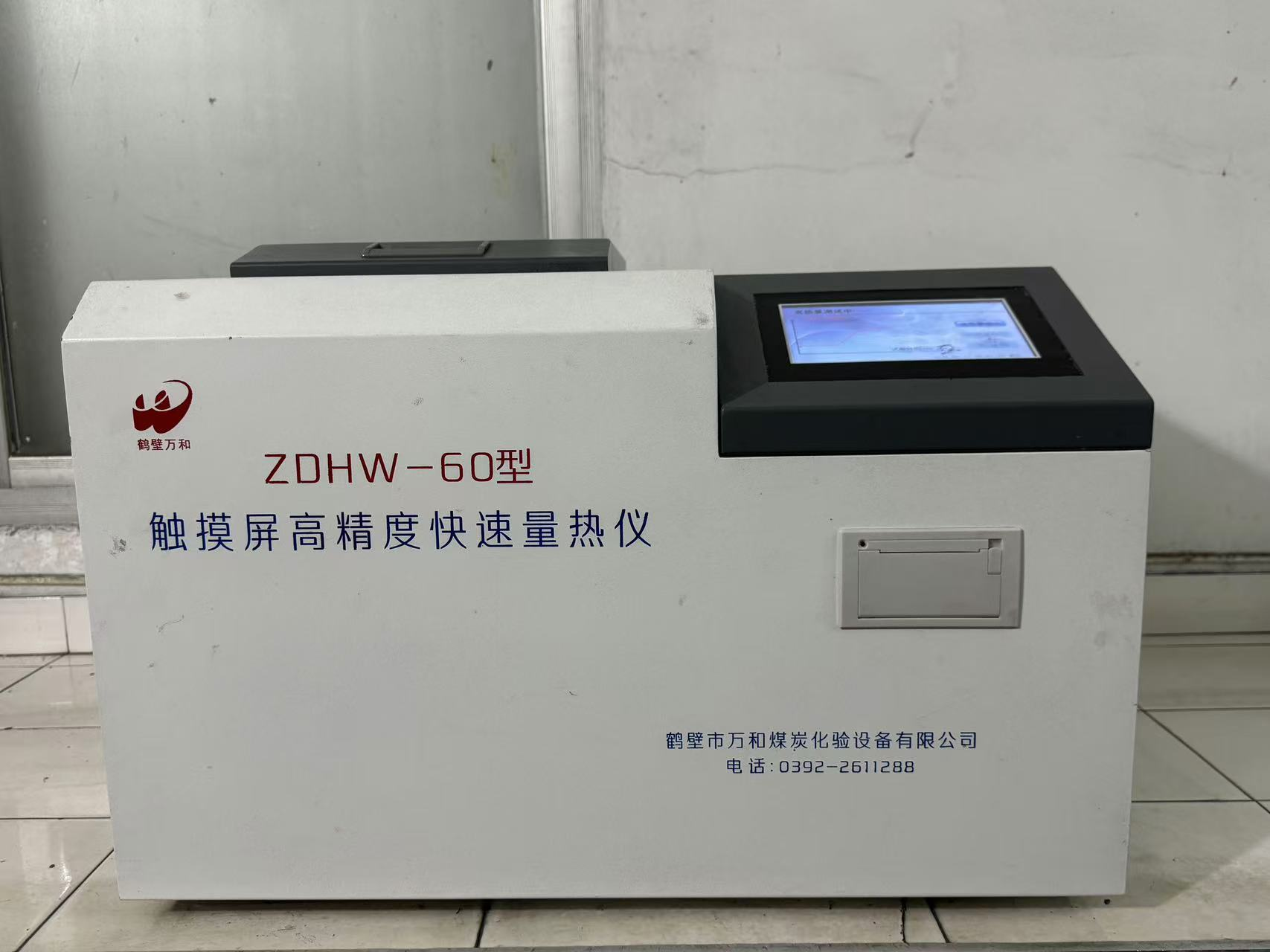
Rapid Calorimeter ZDHW-60
A calorimeter is an instrument used to measure the calorific value or heat of reaction of a substance. Its basic principle is to use the law of conservation of energy to determine its calorific value by measuring the heat released during the combustion or other chemical reactions of the substance. It is mainly used to measure the amount of heat in coal slag, and its value reflects the combustion effect of coal.
Get a quote
* Note: Please fill in the information accurately and keep communication unblocked. We will contact you as soon as possible.
Contact Information
Add: No.10 Dong Feng Second Road Xiasha Village, Shipai Town, Dongguan, China
Mobile: +86-599-8617495
Fax: +86-599-8617560
Email: sale@tongshengsilica.com


