
-
-
-
Technical Support

Blog & News
BLOG

Understanding the Benefits of Silica in Antireflective Coating Designs
Understanding the Benefits of Silica in Antireflective Coating Designs Table of Contents 1. Introduction to Antireflective Coatings 2. What is Silica? 3. Properties of Silica in Coatings 4. Applications of Silica in Antireflective Coatings 5. Key Benefits of Using Silica 6. Mechanisms of Action in Antireflective Coatings 7. Challenges in Silica Utilization and Solution
12
2026
/
03

Understanding the Role of Silica in Antireflective Coatings for Electronics
Silica, or silicon dioxide (SiO2), is a critical material widely used in the development of antireflective coatings, especially within the electronics sector. The primary purpose of these coatings is to reduce the reflection of light from surfaces, thereby enhancing the performance and visual quality of optical devices, displays, and various electronic components. Antireflective coatings are essen
09
2026
/
03

Silica-Enhanced Antireflective Coatings: Unlocking the Secrets to Superior Optical Performance
Silica-Enhanced Antireflective Coatings: Unlocking the Secrets to Superior Optical Performance In the ever-evolving world of electronics, the demand for higher efficiency and better performance has led to significant advancements in materials science. One such innovation is the development of **silica-enhanced antireflective coatings** (AR coatings). These coatings have become pivotal in various a
06
2026
/
03

battery separator silica: High-Performance Functional Material for Advanced Battery Separators
Battery separator silica is an important functional material used in battery separators to improve electrolyte retention, ionic conductivity, and thermal stability. It helps enhance battery safety, efficiency, and service life in modern energy storage systems.
06
2026
/
03
Exploring the Role of Silica in Antireflective Coatings for Electronics
Silica, a compound composed of silicon and oxygen, plays a pivotal role in the development of antireflective coatings, particularly in the electronics industry. Antireflective coatings are designed to minimize reflection and enhance transmission of light through surfaces, which is essential for various electronic components such as displays, lenses, and sensors. By applying a silica-based antirefl
03
2026
/
03
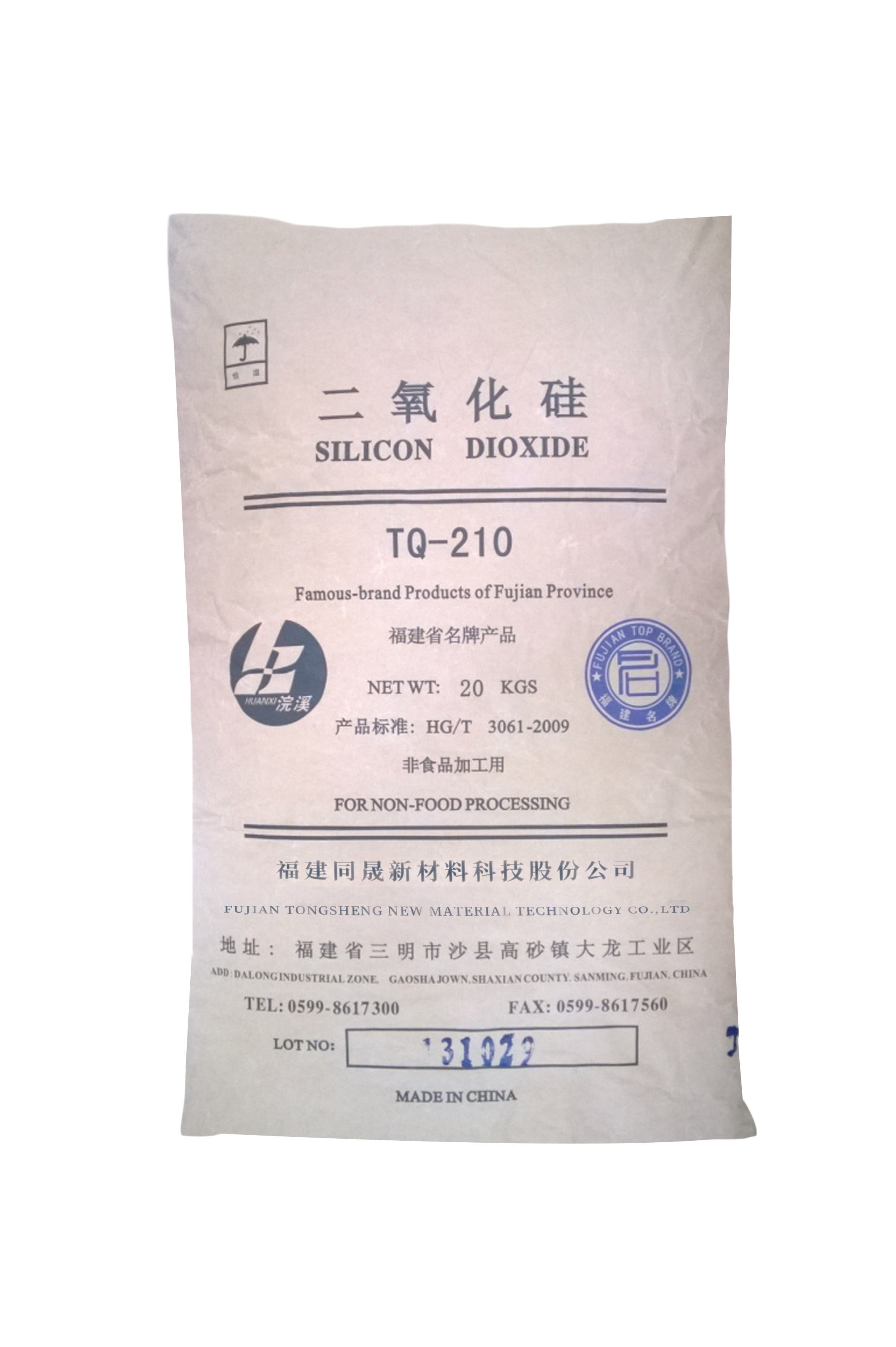
Unveiling the Unmatched Benefits of Silica in Drug Formulations
Unveiling the Unmatched Benefits of Silica in Drug Formulations Table of Contents 1. Introduction to Silica in Pharmaceuticals 2. What is Silica? 3. The Role of Silica in Drug Formulations 3.1. Improving Drug Stability 3.2. Enhancing Drug Absorption 3.3. Modulating Drug Release 4. Applications of Silica in Various Drug Forms 4.1. Tablets and Capsules 4.2. Liquid Formulations
28
2026
/
02
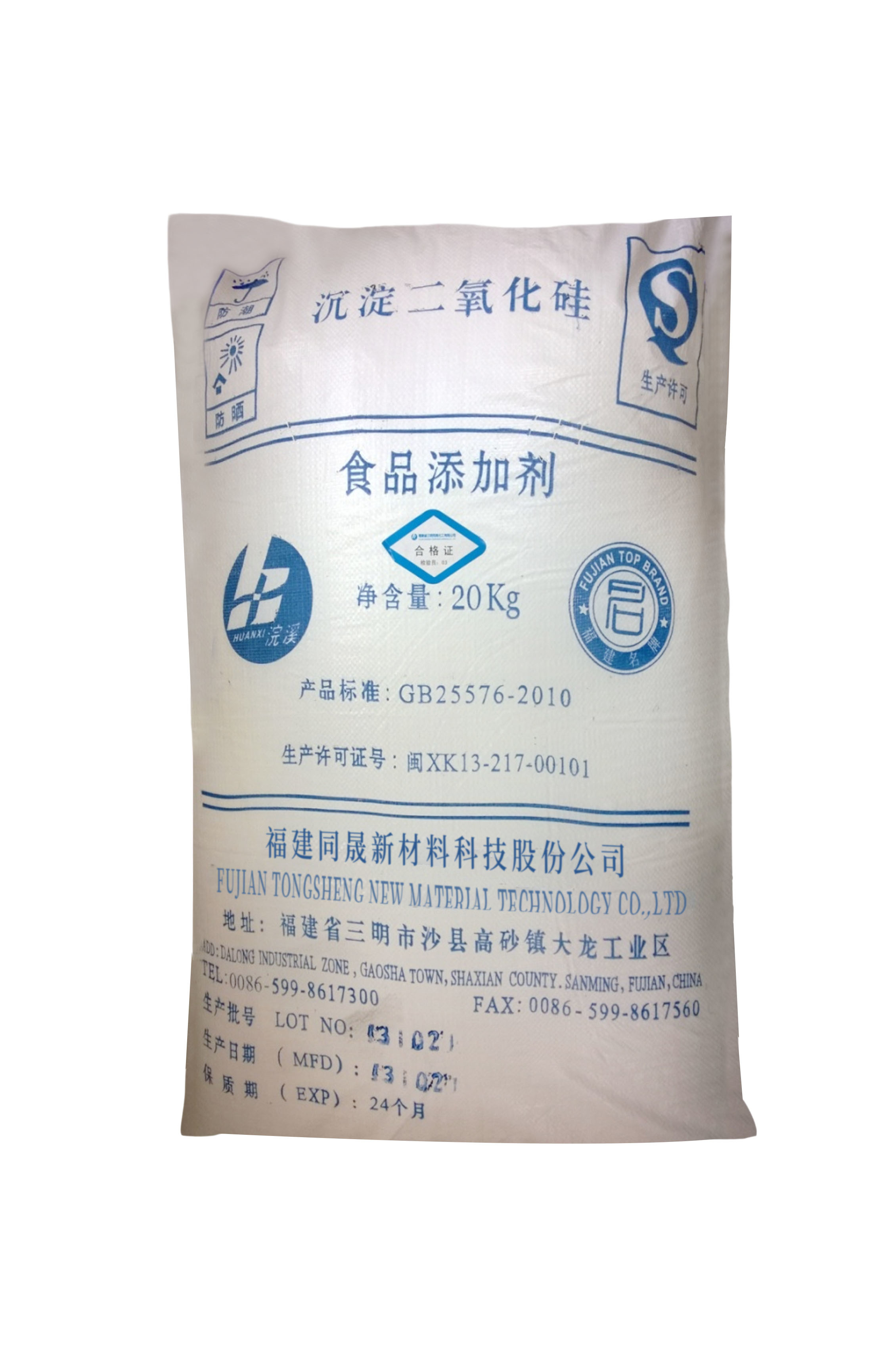
Understanding Pharmaceutical Excipients: The Role of Silica in Modern Formulations
Silica, or silicon dioxide, is a compound that finds extensive use as a pharmaceutical excipient in the chemical industry, particularly in the production of fine and ultra-fine chemical materials. As an excipient, silica serves multiple roles, enhancing the functionality of drug formulations. Its unique physical and chemical properties make it an indispensable ingredient across various pharmaceuti
25
2026
/
02
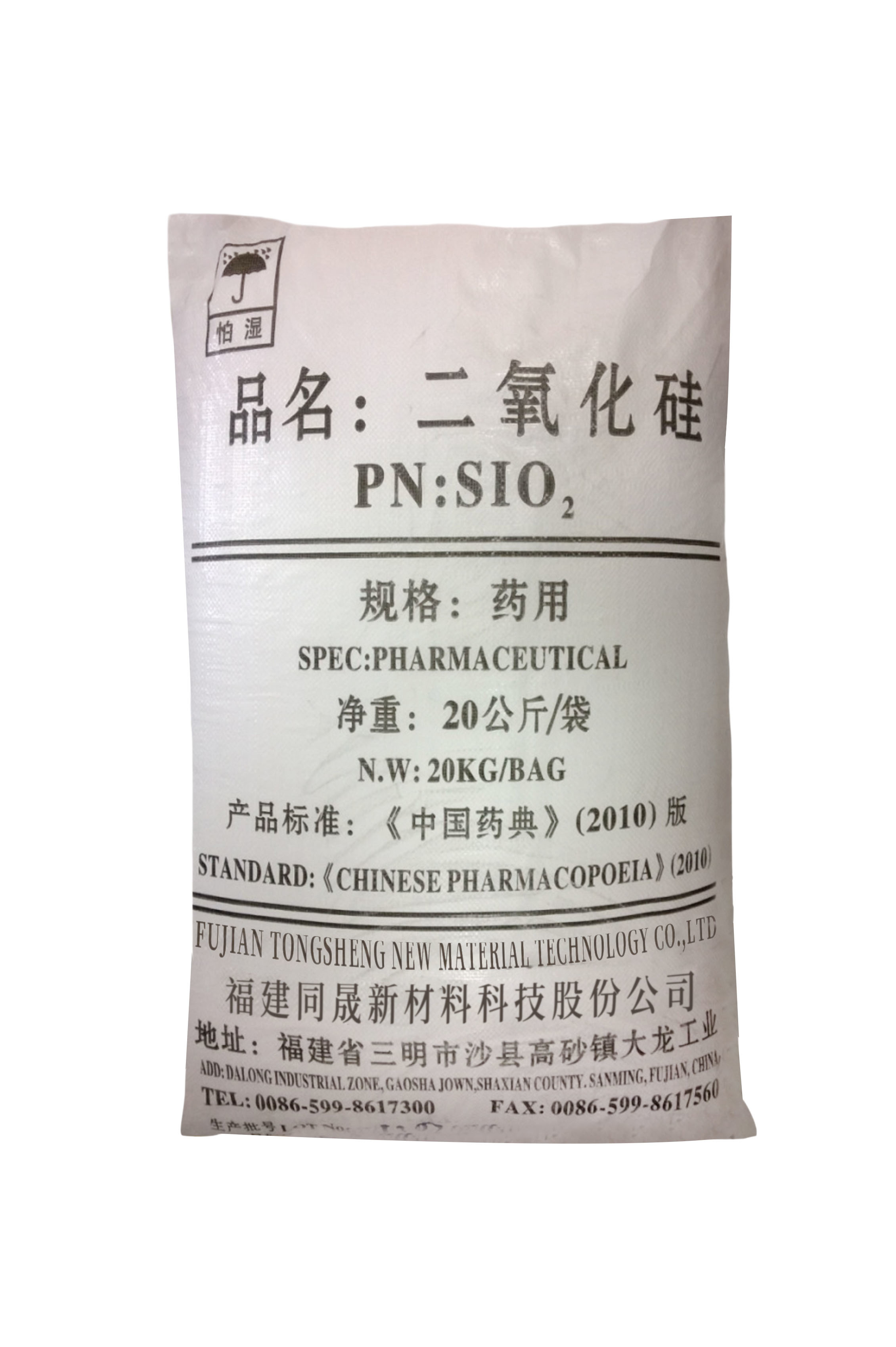
Why Silica is Essential in Modern Pharmaceutical Excipients
Why Silica is Essential in Modern Pharmaceutical Excipients Table of Contents Introduction to Silica in Pharmaceuticals What is Silica? The Role of Silica in Pharmaceutical Excipients Types of Silica Used in Pharmaceuticals Benefits of Silica in Drug Formulation Applications of Silica in Excipients Regulatory Considerations for Silica in Pharmaceuticals The Future
22
2026
/
02
Get a quote
* Note: Please fill in the information accurately and keep communication unblocked. We will contact you as soon as possible.
Contact Information
Add: No.10 Dong Feng Second Road Xiasha Village, Shipai Town, Dongguan, China
Mobile: +86-599-8617495
Fax: +86-599-8617560
Email: sale@tongshengsilica.com


